

Table of Contents
Introduction
When your baby has a cold, it can be a challenging and emotional experience—for both you and your little one. From stuffy noses and mild fevers to coughing and sleepless nights, a baby cold often leaves parents feeling helpless and worried. Because infants can’t blow their noses or express how they feel, even a minor cold can seem overwhelming. But here’s the good news: most baby colds are mild and can be managed safely at home with the right care and a bit of patience. Understanding the symptoms, knowing what’s normal, and applying gentle, proven remedies can make a world of difference in how quickly and comfortably your baby recovers.
In this guide, we’ll walk you through 10 expert-approved tips to help soothe your baby, relieve congestion, and make them feel more comfortable—day and night. With the right approach, you’ll both get through this phase with greater ease and confidence.
What Causes a Baby Cold?
A baby cold is usually caused by a viral infection such as the rhinovirus, which is common in infants and toddlers. Because their immune systems are still developing, babies are more vulnerable to catching colds—especially in the first year of life.
Common Symptoms Include:
- Stuffy or runny nose
- Mild cough
- Sneezing
- Irritability or fussiness
- Low-grade fever
- Reduced appetite
10 Proven Tips to Soothe and Comfort Your Baby During a Cold
1. Keep Them Hydrated
Hydration is essential during a baby cold. Offer breast milk or formula frequently. Fluids help thin mucus and prevent dehydration, especially if your baby has a fever.
2. Use a Cool-Mist Humidifier
Place a humidifier in your baby’s room to keep the air moist. It helps loosen mucus and makes breathing easier, especially during naps and nighttime.
3. Elevate the Head Slightly
Slightly raising your baby’s head during sleep (with a rolled towel under the mattress, not a pillow) can ease congestion. Never put anything directly under your baby’s head.
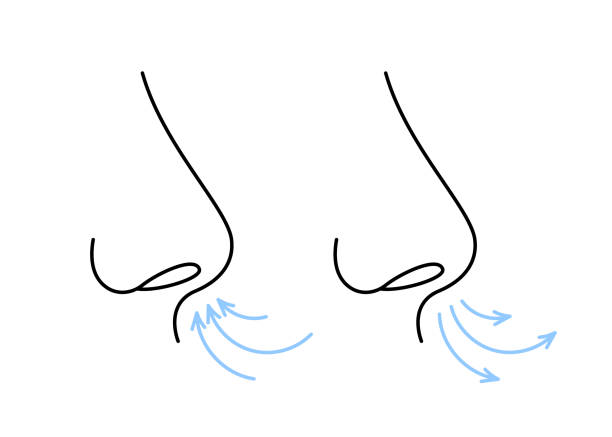
4. Try Saline Drops and Suction
Use saline nasal drops to soften mucus, then gently remove it using a bulb syringe or nasal aspirator. This can relieve stuffy noses and improve breathing.
5. Keep the Air Clean
Avoid smoking or using strong-smelling cleaners around your baby. Clean, irritant-free air promotes quicker recovery during a baby cold.
6. Dress Comfortably
Don’t overdress your baby. Light, breathable clothes help regulate their body temperature, especially if they have a mild fever.
7. Offer Extra Cuddles
Your touch has healing power. Holding, rocking, or wearing your baby in a carrier can provide comfort and calm them during this uncomfortable time.
8. Keep Feeding Times Calm
If your baby has a stuffy nose, feeding can be difficult. Feed in an upright position, and try clearing the nose just before meals to make nursing or bottle-feeding easier.
9. Use a Warm Bath for Comfort
A lukewarm bath can relax your baby and help reduce mild fever. The steam can also help loosen mucus and relieve congestion.
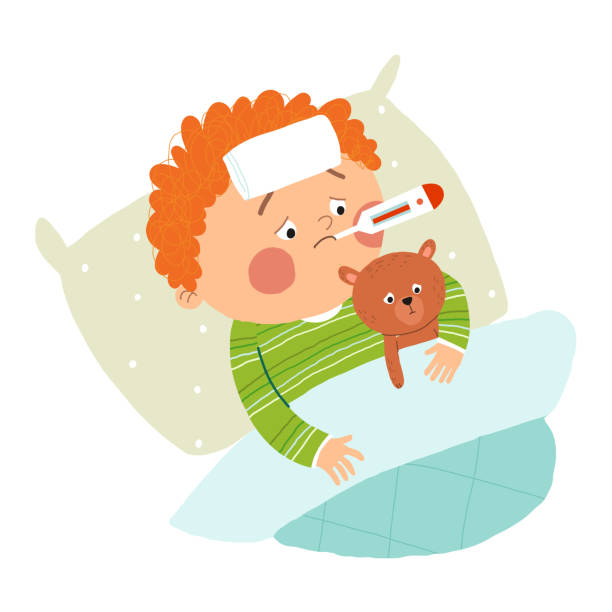
10. Monitor Temperature and Symptoms
Keep an eye on your baby’s fever and overall condition. If the fever exceeds 100.4°F (38°C) in a baby under 3 months, call your pediatrician right away.
Safe Home Remedies for a Baby Cold
While you should avoid over-the-counter cold medications for infants, some gentle home remedies can offer relief.
- Breast milk: Contains antibodies that support recovery

Coconut oil: Can soothe skin irritation under the nose

Chamomile vapor (for babies older than 6 months): Mild and calming
Warm compress: Helps with nasal pressure or mild sinus discomfort
Baby Cold: When to See a Doctor
Most baby colds resolve in 7 to 10 days, but it’s important to know the warning signs that need medical attention.
Call your pediatrician if:
- Your baby is under 3 months with any fever
- Breathing becomes labored or rapid
- Baby refuses to feed or shows signs of dehydration
- Coughing worsens or sounds wheezy
- Cold lasts longer than 10 days
Keeping Your Baby Comfortable at Night
Nighttime can be especially hard during a baby cold. Help your baby sleep better with these gentle methods:
- Run the humidifier continuously
- Use a saline spray before bedtime
- Keep the room at a comfortable, cool temperature (68–72°F)
- Offer comfort items like a pacifier or soothing lullabies
- Try skin-to-skin contact for extra bonding and calm
Preventing Future Baby Colds
While you can’t stop every virus, there are steps you can take to reduce your baby’s risk.
Prevention Tips:
- Wash hands often, especially before feeding or touching your baby
- Limit exposure to crowds and sick individuals
- Clean toys and pacifiers regularly
- Ensure caregivers follow hygiene rules
- Keep your baby’s vaccinations up to date
Comfort First
Caring for a baby with a cold can be emotional and exhausting, but you’re not alone. With a calm approach, plenty of cuddles, and these gentle remedies, your baby will be on the mend soon. Every sniffle and sneeze is part of building their immune strength. Be kind to yourself, trust your instincts, and reach out to your pediatrician if needed.
Frequently Asked Questions
How long does a baby cold usually last?
A typical baby cold lasts between 7 to 10 days. Mild symptoms may linger for a few more days, but most babies recover without complications.
Can I give my baby medicine for a cold?
No. Over-the-counter cold medications aren’t safe for babies under 2 years old. Stick to gentle remedies like saline drops, humidifiers, and hydration.
How can I tell if it’s more than a baby cold?
Watch for symptoms like high fever, wheezing, fast breathing, or refusal to eat. These signs could indicate something more serious like RSV or an ear infection.
Is a runny nose always a sign of a baby cold?
Not always. A runny nose can be caused by allergies, teething, or dry air. But when combined with coughing or fussiness, it’s likely a cold.
How can I prevent a baby cold from spreading?
Wash hands frequently, sanitize toys and surfaces, and avoid contact with sick individuals. Breastfeeding also boosts your baby’s immunity naturally.