
Table of Contents
Introduction
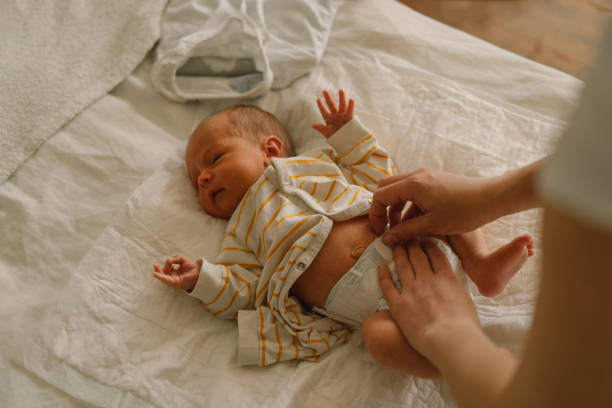
Welcoming a baby into the world brings joy, love, and—let’s be honest—a lot of diaper changes. If you’re a new parent, figuring out the world of newborn diapers can feel overwhelming. But don’t worry! With the right tips and product recommendations, diapering your newborn can become a smooth and manageable part of your daily routine.In this guide, we’ll cover everything you need to know—from choosing the best newborndiapers to handling changes like a pro.
Why Choosing the Right Newborn Diapers Matters
Your baby’s skin is incredibly delicate, especially in those early weeks. Choosing the right newborn diapers isn’t just about convenience—it’s about comfort, skin protection, and your peace of mind.
Key Benefits of Choosing the Right Diaper:
- Prevents diaper rash and irritation
- Keeps your baby dry for longer
- Offers a secure, snug fit
- Reduces leaks and blowouts
With hundreds of options on the market, knowing what to look for makes all the difference.
Types of Newborn Diapers: What Are Your Options?
There are three main categories of newborn diapers to choose from, each with its pros and cons.
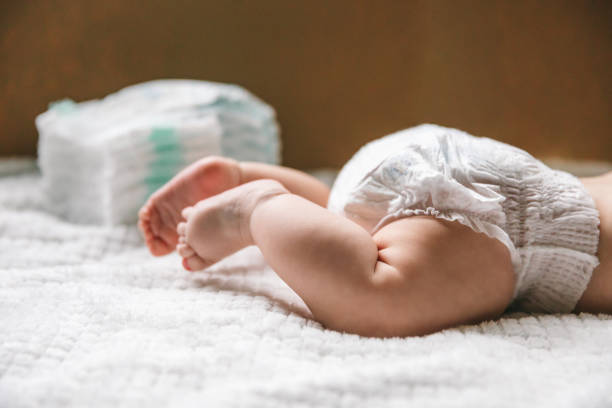
1. Disposable Diapers
- Most commonly used
- Easy to find and use
- Offer strong absorbency and leak protection
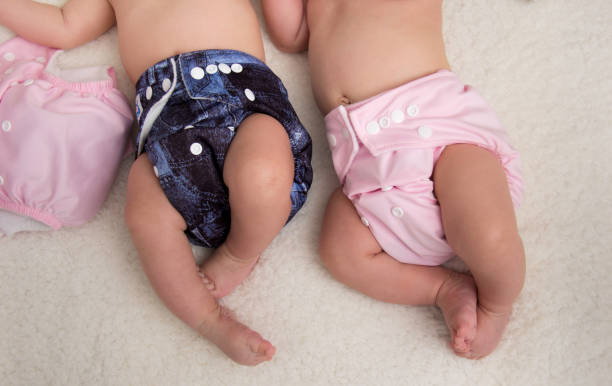
2. Cloth Diapers
- Environmentally friendly
- Cost-effective in the long run
- Require regular washing
3. Hybrid Diapers
- Combine features of cloth and disposables
- Offer flexibility and customization
Each type can work well depending on your lifestyle, budget, and how hands-on you want to be with washing and maintenance.
Must-Know Newborn Diapering Tips
1. Change Frequently
Newborns need a diaper change about 10–12 times a day. This keeps their skin clean, dry, and rash-free.
2. Stock Up Before Baby Arrives
Have at least two packs of newborn diapers ready. You’ll go through them quickly in those early days.
3. Watch for Fit and Weight Range
Always check the diaper packaging for the appropriate weight range. A poor fit can cause leaks or discomfort.
4. Master the Diapering Station Setup
Keep everything within arm’s reach:
- Diapers
- Wipes
- Diaper cream
- A change of clothes
5. Use Diaper Cream Preventively
A light layer of diaper rash cream can prevent irritation—especially in the first few weeks.
6. Dispose Diapers Properly
Invest in a sealed diaper pail to contain odors and keep the space hygienic.
Building a Daily Diapering Routine
Consistency makes a huge difference in your baby’s comfort and your stress levels. Creating a structured diapering routine not only prevents leaks and rashes but also helps you build a deeper connection with your baby during those quiet, hands-on moments.
Here’s a simple daily diapering schedule to consider:
- Morning Change (upon waking): Always start the day with a fresh diaper.
- Post-Feeding Changes: Most newborns poop shortly after feeding.
- Before and After Naps: Keeps baby dry and helps prevent sleep disruption.
- Before Bedtime: Use an overnight newborn diaper for extended absorbency.
While routines can vary, sticking to these anchor points ensures your baby stays dry and comfortable throughout the day.
Top Newborn Diaper Product Picks (2025)
Here are some trusted and parent-approved newborn diapers that balance comfort, safety, and absorbency.
1. Pampers Swaddlers Newborn
- Soft, cushioned feel
- Wetness indicator line
- Umbilical cord notch for healing navels
2. Huggies Little Snugglers
- Hypoallergenic materials
- Leak Lock system
- GentleAbsorb liner to protect sensitive skin
3. Hello Bello Newborn Diapers
- Eco-friendly option
- Cute patterns
- Plant-based core liner
4. The Honest Company Diapers
- Made without chlorine or latex
- Stylish designs
- Great for babies with sensitive skin
5. Luvs Ultra Leakguards
- Budget-friendly
- Triple leakguards
- Nighttime protection
Each of these newborn diaper options has unique features to suit different preferences and budgets.
How to Prevent Diaper Rash in Newborns
A common challenge for new parents is managing diaper rash. Here’s how to keep your baby comfortable and rash-free:
- Change diapers as soon as they’re wet or soiled.
- Allow the baby’s bottom to air out for a few minutes during changes.
- Use fragrance-free wipes or warm water and a soft cloth.
- Apply a barrier cream with zinc oxide.
Diapering On the Go: Travel Essentials
Traveling with a newborn? Here’s what you’ll need in your diaper bag:
- 5–6 newborn diapers
- A travel-size pack of wipes
- Changing pad
- Disposable diaper bags
- Extra onesies
- Diaper rash cream
Signs It’s Time to Size Up Diapers
Newborns grow fast, so be alert for signs that it’s time to switch diaper sizes:
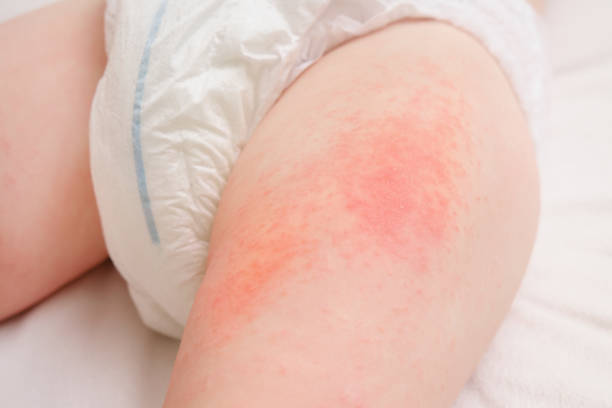
- Red marks around the thighs or belly
- Frequent leaks or blowouts
- Difficulty closing the diaper tabs
- Weight exceeds diaper range listed on the pack
Switching to the right size ensures your baby stays dry, comfy, and happy.
Sustainability: Eco-Friendly Diapering Options
Looking to reduce your environmental footprint? Consider:
- Biodegradable newborn diapers
- Cloth diapers with reusable inserts
- Diaper brands with minimal plastic packaging
Every small effort helps reduce waste while keeping your baby comfortable.
Final Thoughts: Make Newborn Diapering Stress-Free
With a little preparation and the right products, diapering doesn’t have to be stressful. Remember:
- Choose high-quality newborn diapers
- Change often and clean gently
- Create a functional diapering space
- Always have extras on hand
Frequently Asked Questions
What are the best newborn diapers for sensitive skin?
Brands like Honest, Hello Bello, and Huggies Little Snugglers are great for sensitive skin. They use hypoallergenic, fragrance-free materials that are gentle and protective.
How many newborn diapers do I need per day?
On average, newborns use 10–12 diapers daily. Stocking up on at least 300–350 for the first month is a smart move.
When should I switch from newborn diapers to size 1?
When your baby hits around 10–12 pounds or you notice red marks or leaks, it’s time to move up. Always check the diaper’s weight guidelines.
Can I use cloth diapers for newborns?
Yes! Cloth diapers are safe and effective for newborns. Just be prepared for more frequent changes and extra laundry.
Are eco-friendly newborn diapers effective?
Absolutely. Brands like Hello Bello and Honest offer great absorbency with natural materials. They’re a solid choice for eco-conscious families.